
HOA pest control is an essential part of maintaining any planned neighborhood. Pests not only jeopardize residents’ health but also pose risks of property damage, diminished curb appeal, and lower property values. Board members must understand who is responsible for pest control, what prevention strategies to implement, and how to respond to a full-blown infestation.
The Importance of HOA Pest Control in Spring
 Spring is here, and with it comes the prevalence of pests. Pests tend to come out of hiding as temperatures rise after the winter season. The increased moisture in the surroundings from melting snow and spring showers also attracts pests. Other than that, the start of plant growth can also contribute to the spread of pests.
For HOA communities, pests pose several problems. For one thing, termites and rodents can damage structures and foundations. It’s not easy to spot these damages without careful inspection, and boards may not notice until it’s too late. Property damage increases the association’s costs.
In addition, pests can be a risk to residents’ health. Cockroaches, rodents, and mosquitoes can all carry diseases. Flies, fleas, bed bugs, and ticks are also known to transmit illnesses.
Ultimately, pests can reduce curb appeal and lower property values. When a community is known for, or consistently experiences, pest infestations, buyers are less likely to invest.
Given how spring promotes faster breeding, pests can easily spread in the neighborhood, especially in condominiums. Spring is the best time to take pest prevention measures. Getting a jump on infestations allows boards to avoid more costly pest issues later in the year.
Understanding HOA Pest Control Responsibility
Who is responsible for pest control in an HOA? This is a question many homeowners ask. In single-family communities, the HOA is typically responsible for pest control in common areas and shared facilities. These include clubhouses, swimming pools, playgrounds, and fitness centers. Meanwhile, owners are responsible for pest control in individual lots or homes.
In condo associations, the COA shoulders the burden of pest control for shared spaces and elements. These include elevators, hallways, stairwells, lobbies, and entrances. Owners, on the other hand, must address pests in their own units. That said, some condos offer pest control services to individual units, too, the cost of which is covered through condo fees.
While this is the norm, responsibilities can still vary from one community to another. It is important to review the association’s governing documents to understand the HOA’s pest control obligations.
How to Prevent Pest Infestations
Board members must develop a detailed HOA pest control policy. This policy should address who is responsible for pest control and what measures should be taken to prevent them.
HOA Common Area
Since common areas fall under the HOA’s responsibility, the board must practice the following prevention techniques:
- Seal Entry Points. Inspect entry points regularly and make repairs immediately. Seal cracks in foundations, cover gaps in siding, and replace damaged weather stripping. This will prevent pests from entering the facility.
- Manage Landscaping. Poorly kept landscaping is a hotbed for pests. It gives them a place to hide and breed. To prevent this, associations should keep trees, shrubs, and bushes trimmed.
- Clean Gutters. Blocked gutters can quickly cause water to accumulate, attracting pests. It is essential to remove leaves and debris to keep gutters clear.
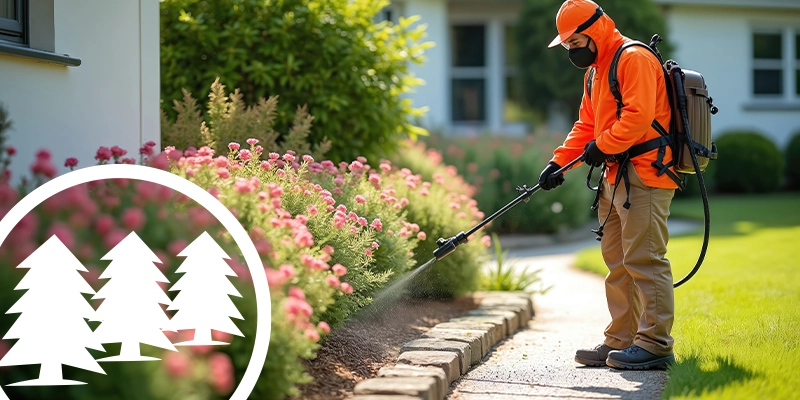
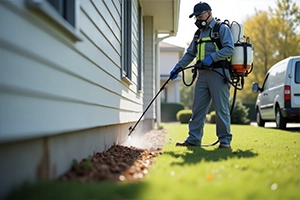
- Apply a Perimeter Barrier. With the help of a professional, the HOA should apply granular insecticides around the exterior of buildings. This creates a protective barrier that will keep pests away.
Individual Properties
Homeowners are generally responsible for pest control in individual properties or units. Still, board members must do their part by educating homeowners on proper prevention techniques:
- Store Food Properly. To avoid pests, owners must keep food in sealed containers and take out their trash regularly.
- Keep a Clean Space. Owners should keep their environment clean. This also includes removing water and food sources that might attract pests.
- Report Immediately. If owners spot pests in common areas, they should file a report with the board at once.
How to Handle HOA Spring Pest Control
 While prevention is better than the cure, it’s not always foolproof. Pests can still slip through the cracks and take over common areas. Here are the steps boards should take to deal with a pest infestation.
1. Confirm the Report and Document the Issue
The first step is verifying that a pest issue actually exists in the common areas. The board or management company should inspect the reported location and document their findings with photos and written notes. Documentation matters because it creates a clear record that the association responded to the problem in a timely manner.
2. Identify the Type and Scope of the Infestation
Different pests require different responses. Ants, rodents, termites, mosquitoes, and wildlife all require different control methods. For example, HOA mosquito control involves eliminating standing water and using targeted chemical treatments. On the other hand, HOA rodent control involves removing food sources and incorporating Integrated Pest Management (IPM).
The board should determine:
- What pest is present,
- Where it is located,
- Whether the infestation affects multiple areas, and
- Whether it poses health or structural risks.
At this stage, it is best to contract a licensed pest control service to perform the inspection and proceed with treatment.
3. Notify Residents When Appropriate
Communication is important, especially if the infestation may affect nearby homes. Boards should inform residents of the pest problem, the location of the infestation, and the treatment schedule. It’s also a good idea to advise residents to take precautions.
4. Hire a Pest Control Professional
Boards should avoid trying to handle infestations themselves. Professional HOA pest control vendors have the proper training, equipment, and licenses needed to treat infestations safely and effectively.
5. Schedule and Oversee Treatment
The association should coordinate the treatment process with the hired pest control service. This can include temporarily restricting access to certain areas or adjusting landscaping schedules. Furthermore, the board or management company should monitor the vendor’s work to ensure it meets all deliverables.
6. Investigate the Root Cause
Treating pests isn’t enough; the board should look for and address the cause of the problem. Failure to do so can lead to repeat infestations. With the help of a professional, the board should review the factors that contributed to the pest issue.
Common causes include:
- Overgrown landscaping
- Standing water
- Trash or food waste
- Damaged fencing or structures
- Poor drainage
7. Implement Preventive Measures
After treating the infestation, the board should focus on preventing future outbreaks. Prevention measures can vary, but they typically involve regular pest control treatments, improved trash management, and landscaping adjustments. More rigorous measures may be necessary to high-risk areas, such as wooded areas and retention ponds.
The Help of the Pros
Managing HOA pest control is not always an easy job, especially for inexperienced board members. Hiring a professional pest control company is certainly a good first step, but organization and planning require HOA management expertise.
Cedar Management Group provides effective management services to HOAs and condo associations, including vendor management and common area maintenance. Call us today at (877) 252-3327 or email us at help@mycmg.com to get started!
RELATED ARTICLES:
- HOA Pest Infestation: Who Pays For Pest Control?
- Can The HOA Ban Bird Feeders? What’s The Issue?
- What Can The Board Do With Stray Animals In HOA Community?