
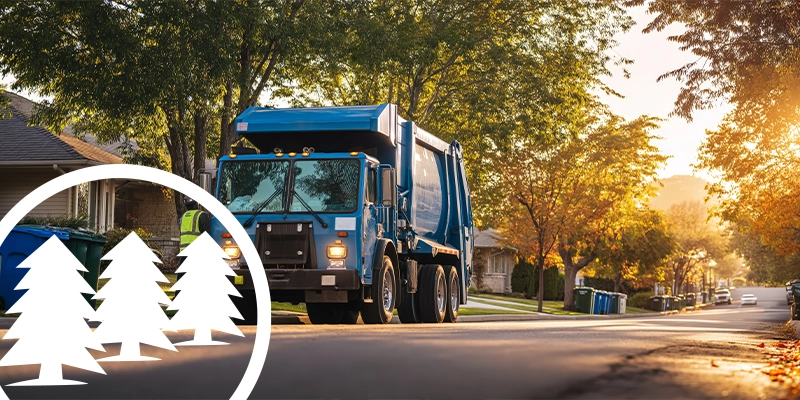
One of the perks of living in an association is the HOA garbage collection. While it may seem simple, choosing the right path for an HOA can cause stress for board members. From the scope of work to rising service costs, there are so many things to consider.
Common Challenges of HOA Garbage Collection
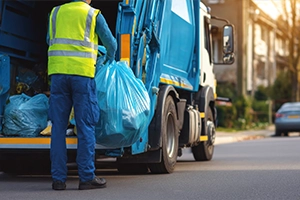 Homeowners choose to live in HOA communities because of the benefits they offer. One of these benefits is trash collection. Trash collection is imperative to an association. It has a direct impact on sanitation and curb appeal, thereby affecting property values and resident satisfaction.
But there’s more to it than a simple service. Associations must decide whether municipal trash services are better than private haulers. Boards must also consider budget allocations and rule enforcement. Even when the HOA isn’t in control of the service, boards often receive the brunt of complaints when things go wrong.
Here are some of the challenges HOAs commonly face when it comes to garbage collection:
- Overflowing bins
- Missed pickups
- Illegal dumping
- Bulk item problems
- Contamination
- Recycling rule violations
- Odors, pests, and sanitation concerns
- Limited space for dumpsters or carts
- Damage to curbs, pavement, or enclosure gates
- Resident complaints
- Enforcement issues
Two Options for HOA Trash Collection
For HOAs and condo associations, there are generally two options: municipal or private trash services. Let’s break them down below.
City or County Services
Municipal trash service usually works like a public utility. The city sets the rules, schedule, and service limits. In many areas, homeowners pay through their taxes or standard municipal billing.
While services can vary, city or county trash collection typically includes:
- Regular trash pickup
- Recycling pickup
- Yard waste collection
- Special pickup events for bulky items
Additionally, the city decides what goes out and when. The local government also has the final say on how it gets placed. As for the HOA, there is limited to no influence on what goes on other than educating residents and reporting any issues to the city or county.
Private Waste Haulers
Private haulers are essentially vendors. They work through a service agreement that the association enters into. The HOA negotiates the scope of services, pickup frequency, container sizes, and pricing. With this type of setup, the association usually has more control over everything.
Of course, this approach means there are typically shared dumpsters for multi-family properties. Curbside cart services may also be offered, but payment goes through the association. For bulk item pickups, the service may be included in the contract or tacked as an add-on.
Municipal Services: Pros and Cons of HOA Garbage Collection
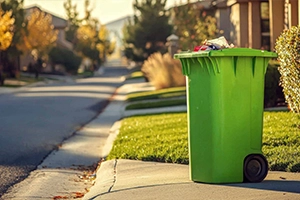 Before considering municipal trash services, associations should consider the advantages and disadvantages.
Pros
- Less Cost Overall. Because residents pay for the service through their taxes, the board doesn’t have to include the cost in the budget.
- Stable Schedules. Routes often run on fixed schedules when organized by the local government.
- Fewer Contracts. The board doesn’t need to handle bid requests or negotiate terms.
- City Rules. Since the city or county sets the pickup rules, homeowners must submit any complaints to their local government rather than the board.
Cons
- Less Flexibility. If the association needs custom pickup days or extra pickups, municipal services typically don’t accommodate them.
- Slow Customer Service. Problems with pickups are slow to be resolved, given the scope and workload of municipal services.
- Bulk Trash Limits. Many cities place caps on large-item pickups, creating issues for the HOA if an owner decides to dump it elsewhere in the community.
- Limited Control. While city services cost less, they also offer the HOA less control when ongoing issues require attention.
Private Haulers: Pros and Cons for HOA Garbage Collection
Similarly, private waste hauling comes with its own pros and cons. Boards should take these into account before committing to a decision.
Pros
- Service Level. Private haulers offer varying service levels, so if the HOA needs more frequent pickups, the contract can accommodate it.
- More Accountability. With a contract in place, the association can hold its provider accountable for poor performance.
- Special Services. It is usually easier to arrange for bulk pickups, extra cleanups, or yard waste with a private provider.
- Customized Needs. Private haulers can customize their services to meet the needs of the community (condos, townhomes, single-family homes, etc.).
- Consistency. Good providers offer consistent services, leading to resident satisfaction and cleaner communities.
Cons
- Rising Costs. Because of fuel, labor, and other factors, private hauling costs can rise over time.
- Greater Involvement. Boards must always monitor performance, track service issues, and handle billing.
- Hidden Fees. Some providers charge extra for hidden services such as overflow, contamination, and blocked access.
Key Factors to Compare for HOA Garbage Collection
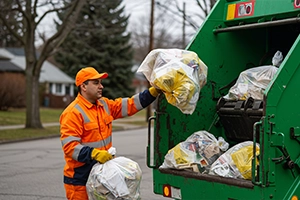 Board members should understand that the best choice will depend on the community’s needs and resources. Here are the key factors to consider when making a decision.
1. Cost and Billing
Boards should consider pricing, but that doesn’t mean choosing the cheapest option. It is important to strike the right balance and look at the full picture. Check how services are charged and who pays for them. Look for extra or hidden fees.
Additionally, boards should note that cost can change over time. The first year may be affordable, but costs can quickly rise later on.
2. Layout and Access
Garbage trucks require a lot of space to move through the neighborhood. If the streets are too narrow or vehicles block access, problems are bound to arise. Some city services may even refuse to enter private roads, while some private haulers charge extra for blockages.
3. Trash Volume and Lifestyle
Some communities generate more waste than others. A high-turnover community may see more bulky trash or yard waste. Boards should consider the number of units, occupancy rates, and traffic within the neighborhood. It is crucial to find a service level that matches the community’s usage and lifestyle.
4. Recycling and Sustainability
Many residents care about recycling, but enforcing sustainability rules can be a headache. If the community consistently struggles with contamination, the board must create a plan to address it. While the city may offer better guidelines, a private hauler may provide more flexible options.
5. Reliability and Customer Service
Boards must also consider customer service. City services can miss pickup days, and the HOA can’t hold it accountable. Meanwhile, associations can rely on service agreements to hold private haulers to their word.
HOA Waste Management: When a Hybrid Option Makes Sense
Sometimes, the answer is not one or the other. Many communities do well with a mixed approach, which can reduce costs and solve specific problem areas. An HOA can rely on city pickup for homes and private haulers for common spaces. Another option is to use municipal services for most pickups, but refer to private providers for bulk items.
Of course, with a hybrid approach, it is essential for the board to clearly define responsibilities. Private haulers should know their scope of work and stick to it. It is equally imperative to communicate with residents and ensure they understand the distinctions.
A Cleaner Community
It is not always easy to navigate HOA garbage collection, especially when choosing a service. Before making a decision, boards should consider every aspect and angle. This will allow them to develop a solution that meets the community’s needs, budget, and lifestyle.
Cedar Management Group provides effective management services to HOAs and condo associations, including vendor management and common area maintenance. Call us today at (877) 252-3327 or email us at help@mycmg.com to get started!
RELATED ARTICLES:
- Is Renting Out HOA Amenities A Good Idea?
- Enforce HOA Fence Rules And Avoid Neighbor Arguments
- HOA Backyard Rules: What Can And Can’t Homeowners Do