


The obligation to pay HOA assessments often comes up in discussions among board members and homeowners. Special assessments, in particular, always create strong opinions because they are usually unexpected and, in many cases, expensive. That said, when it comes to assessments, the board needs to understand the rules, the obligations, and the consequences that follow when someone refuses to pay.
Who Must Pay HOA Assessments?
 Homeowners and condo associations exist to maintain the community, and they can’t function without money. The board needs funding to pay for maintenance, repairs, insurance, and other expenses. This funding generally comes from the homeowners themselves.
Membership in an HOA is often mandatory. Once a homeowner purchases a home in the community, they automatically agree to the terms. This includes the obligation to pay assessments. While associations collect dues regularly, the board may need to levy special assessments for projects, budget deficits, or emergencies.
When a homeowner refuses to pay HOA assessments, the decision can affect the entire community. More often than not, the board then has to scramble to find funding, and the other homeowners will feel the pressure to cover the costs.
Can Homeowners Not Pay HOA Special Assessments?
The short answer is no. A homeowner can’t simply decide not to pay. Once someone joins the association, they take on the obligation to pay both regular dues and special assessments.
Of course, this assumes the board followed due process. Before levying special assessments, the board must hold meetings, provide notice, and ensure compliance with the governing documents. When all of that is in order, the obligation is binding.
Whatever the case may be, the bottom line remains that the board must enforce, and the homeowners must comply. Refusing to pay HOA assessments can result in consequences for owners.
Is There an HOA Special Assessment Limit?
When it comes to whether there is a limit on assessments, the answer is not always the same. Some states provide caps, while others leave the decision to the governing documents.
In California, for instance, Civil Code Section 5605 caps special assessments at 5% of the association’s budgeted gross expenses for that same fiscal year. If a California HOA wishes to exceed that limit, it must obtain approval from a majority of the members by vote at a meeting.
Consequences of Refusing to Pay a Special Assessment
The duty to pay HOA assessments is mandatory for homeowners. If a homeowner refuses, the board has several options available to ensure compliance after notice and an opportunity to be heard.
Depending on state laws and the governing documents, these options include charging late fees and interest, suspending privileges, hiring a collection agency, taking legal action, placing liens, and even foreclosing on a home.
Let’s break these down below.
1. Late Fees and Interest
One of the first consequences is the accumulation of late fees and interest. Once a payment deadline passes, the board can add charges that keep growing. Over time, the debt only becomes more difficult for delinquent owners to pay.
In many cases, these late fees and interest rates are spelled out in the governing documents. The board should follow those terms exactly, but the effect on the homeowner is still the same. The more money they owe, the more complex the burden to carry.
2. Suspension of Privileges
Another consequence is the temporary suspension of privileges. The board can revoke access to the pool, gym, clubhouse, or other amenities. Depending on state laws and the CC&Rs, the board may also suspend a homeowner’s voting rights.
3. Collection Agency
If the debt remains, the board may turn to a collection agency. Sending the account to collections is serious because it can damage a homeowner’s credit score. Collection agencies either charge a flat rate or take a percentage of the money collected.
4. Legal Action
When softer actions don’t work, the board must consider legal action to force payment. Filing a lawsuit is an option when homeowners refuse to pay HOA assessments. Once in court, a judge may order a homeowner to pay or allow the HOA to pursue wage garnishment. The association may even recover attorney fees and costs.
5. Liens
Liens are another tool the board can use. In most states, unpaid assessments automatically create a lien on the property. The lien ties the debt to the property itself. This means the owner must settle the lien before they can sell the home or refinance their mortgage. Of course, associations must comply with the proper notice requirements for liens as dictated by state law.
6. Foreclosure
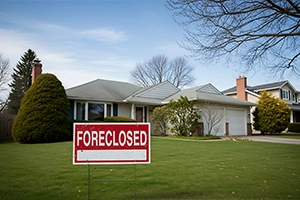 Liens can eventually lead to foreclosure. An HOA or condo association can initiate foreclosure proceedings through judicial or nonjudicial methods. Harsh as it may be, boards sometimes have no other choice but to foreclose on a home or unit to settle an owner’s debt. As with liens, associations must follow proper notice and procedural requirements for foreclosures.
How to Fight a Special Assessment
If the assessment is improper, homeowners can fight it. This process usually requires careful action, adherence to proper procedures, and evidence to support claims. Below are the steps to challenge an assessment in an HOA.
1. Understand Authority to Levy Special Assessments
The first step is to check state laws and the governing documents. Did the board follow the process? Was the decision made properly? Reviewing meeting minutes can also provide details on when and why the board decided to levy special assessments.
2. Demand Clear Explanations
Homeowners can demand an explanation from the board. They can ask what the money is for, request supporting documents, and insist on transparency. This is part of the board’s responsibility to the members.
3. Review HOA Finances
It also makes sense to review the association’s financial records. This will give homeowners an idea of whether or not the board is spending money wisely. Records should also show any evidence of waste or fraud.
4. Challenge the Assessment
 If the board acted improperly, homeowners can challenge the decision. To do this, they must draft a letter outlining their objections, citing the governing documents, and including evidence. They should also request a hearing with the board.
5. Enter Alternative Dispute Resolution
Homeowners can enter alternative dispute resolution with the board. In some states, mediation or arbitration is even required before taking legal action. These methods tend to be less time-consuming and costly, too, allowing communities to resolve issues quickly.
6. Take Legal Action
If nothing else works, legal action is the final option. Keep in mind that filing a lawsuit doesn’t come cheap. It also takes a lot of time, but sometimes, it is the last resort. Homeowners who choose this must prepare evidence and consult an attorney.
Word of Caution: Pay HOA Assessments While Fighting
Even while disputing assessments, homeowners must never stop paying their dues and assessments. Because nonpayment can lead to penalties, including foreclosure, homeowners must stay up to date. If the board is later found to be correct, refusing to pay will only create more problems.
Understanding HOA Payment Plans
Paying a large special assessment is not easy for everyone. This is why many boards offer payment plans, which are monthly installments or quarterly HOA payments. Payment plans provide flexibility and help homeowners avoid delinquency.
In some states, boards must offer a payment plan before pursuing legal action, liens, or foreclosure. Of course, there are often exceptions to this, such as when a homeowner has previously entered or defaulted on a payment plan.
A Slipper Slope
When homeowners refuse to pay HOA assessments, it can not only affect them but also the entire community. Associations rely on these funds to pay for projects, emergencies, and other expenses. When they lose that funding, boards will be forced to delay maintenance, cut back on essential services, or even take out a large loan — all of which can negatively impact the community.
Cedar Management Group provides effective management services to HOAs and condo associations, including help with insurance. Call us today at (877) 252-3327 or email us at help@mycmg.com to get started!
RELATED ARTICLES:
- What Is An HOA Special Assessment?
- Cut The HOA Budget Or Raise Assessments?
- Can The HOA Board Raise HOA Dues If It Wasn’t Voted On By Homeowners?